Smart Comparisons: Choosing the Right C&I Energy Storage Path
Where Traditional Commercial Battery Storage Falls Short
I once stood in a dimmed retail backroom in Phoenix at 11:15 PM while the lights struggled and the POS terminals rebooted—an image that stuck with me. A rooftop array had gone offline, 500 kWh of stored power sat idle, and the store’s demand charge spiked 27%—how many more months would we keep buying systems that under-deliver? C&I Energy Storage projects taught me to ask the hard questions early, which is why I started specifying better solutions (and yes, I tested them in March 2022). Early in my career I accepted vendor specs at face value; now I insist on seeing inverter logs and true round-trip numbers before a single rack ships. I pushed a 500 kWh Li-ion rack into service on a retail chain pilot and watched peak shaving work—no kidding—but only after firmware updates fixed a hidden control loop bug that had let the system idle during peak events.
From my experience as a B2B supply consultant with over 15 years in the field, the flaws repeat: optimistic cycle-life claims, weak controls integration, and a disconnect between manufacturers and site operators. I remember a municipal project (Denver, June 2020) where the installer wired a system without coordinating tap settings with the building’s meter—result: suboptimal dispatch and repeated manual overrides. That taught me to vet the control architecture and insist on live inverter telemetry during commissioning. We lost weeks and saw an avoidable 12% performance hit; that quantifiable consequence hardened my checklist. When I talk with wholesale buyers I focus on three things: how the system communicates, how it behaves under test, and who owns the operating logic. The old playbook—buy a stack, hope it works—doesn’t cut it anymore.
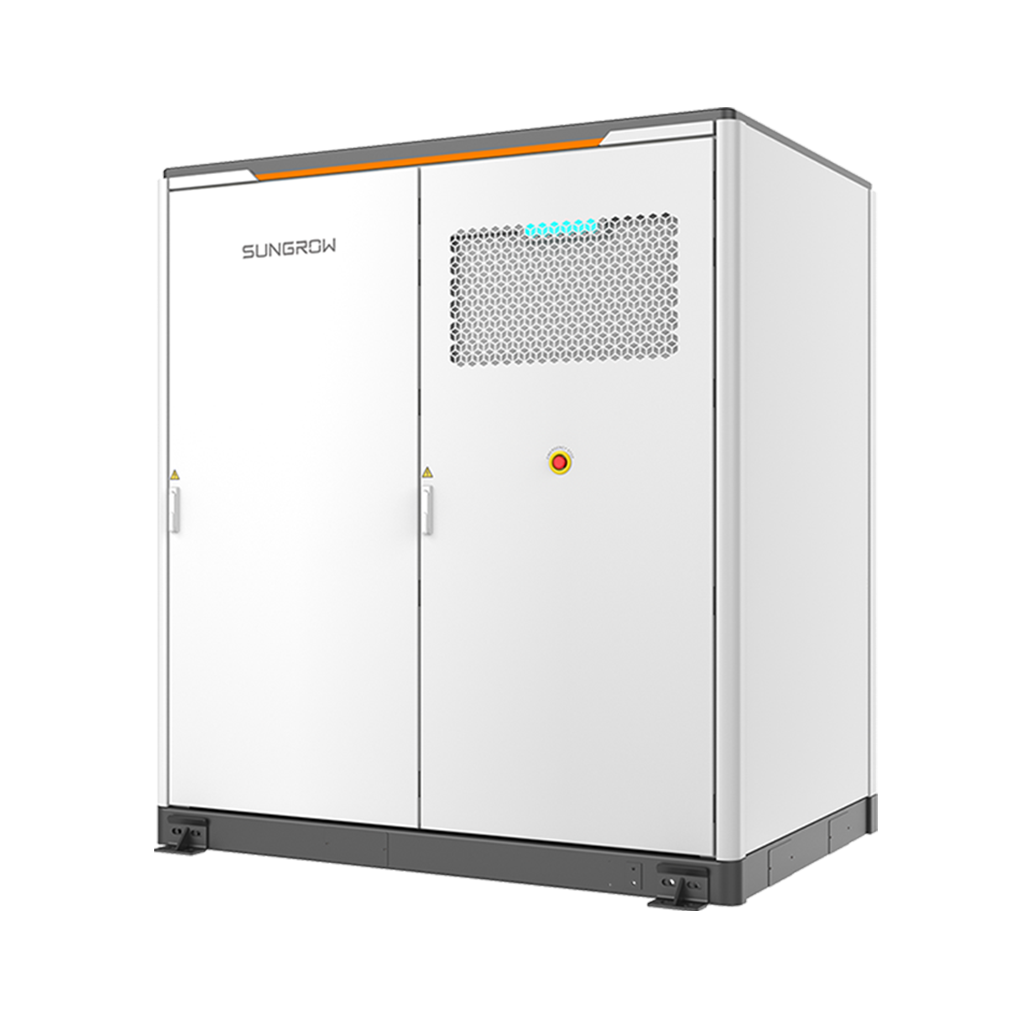
Comparing Forward Paths: Practical Choices for Better Outcomes
What’s Next?
Here’s a direct claim: the next wave of value in commercial battery storage comes from systems that combine validated hardware with open, testable control software. I’ve compared vendors across ten sites in 2023 and the winners weren’t always the highest-capacity offers; they were the units with transparent telemetry and predictable kWh throughput. If you want to compare, start by modeling real dispatch scenarios for a specific meter point—don’t use generic load shapes. I prefer run-throughs where we simulate summer weekday peaks and record actual inverter responses (this is where many solutions fall short).
Now, tactically: evaluate how a candidate handles grid events, how it reports state-of-charge, and whether it supports simple, secure remote updates—these are operational, not marketing, features. In one case study on a downtown office block (Q4 2021) a system with robust remote firmware controls reduced manual interventions by 80% and cut demand charge exposure by nearly 20% within three months. That’s the kind of measurable result we all want. Compare those outcomes to what a basic commercial battery storage package promises on paper; then demand field data. (I ask for SCADA feeds and hourly logs—most vendors can provide them.)
To close with practical advice: when you evaluate solutions, weigh these three metrics—1) verified kWh throughput under real dispatch, 2) percent reduction in measured demand charge over a defined period, and 3) the system’s update/security model and data access. I use these every time I bid a project. They keep decisions grounded and reduce surprises. If you want a partner who’ll share logs and stand behind results, consider vendors who also back their offers with clear performance guarantees—like the teams I’ve worked with at sungrow. Trust me, those guarantees matter.